Installing a residential sprinkler system can be a game-changer for homeowners. It not only saves time and effort in maintaining lush green lawns but also conserves water efficiently. If you're considering yard sprinkler installation, you might feel overwhelmed by the process. Fear not! This guide will walk you through every step of installing a residential sprinkler system, ensuring you have all the tools and knowledge necessary for success.
What is Residential Sprinkler System Installation?
Residential sprinkler system installation refers to the process of setting up an automated irrigation system designed specifically for homes. These systems are engineered to distribute water evenly across your lawn and garden, ensuring your plants receive adequate hydration without manual intervention.
Importance of Professional Installation
While DIY options exist, hiring professionals from sprinkler irrigation services ensures that the system is installed correctly and functions optimally. Professionals have experience with various types of systems, including underground sprinkler installations.
Benefits of a Residential Sprinkler System
- Time-Saving: Automating your lawn care means you can spend more time enjoying your outdoor space. Water Conservation: Modern systems are designed to minimize water waste through efficient watering schedules. Healthier Lawn: Proper irrigation promotes healthy growth, leading to fewer weeds and diseases.
Choosing the Right Components for Your Sprinkler System
Before diving into the installation process, it's crucial to choose the right components for your residential irrigation installation. Here’s what you need:
Sprinklers
There are various types of sprinklers available, including pop-up heads, oscillating sprinklers, and drip irrigation systems. Each serves different purposes:
- Pop-Up Sprinklers: Ideal for lawns as they retract when not in use. Drip Systems: Excellent for flower beds or gardens requiring targeted watering. Oscillating Sprinklers: Best for large areas where coverage needs vary.
Pipes and Fittings
Selecting high-quality pipes is essential. PVC pipes are commonly used due to their durability and resistance to corrosion. Ensure you have connectors, elbows, and tees as well.
Controller
A timer or smart controller is vital for scheduling watering times based on weather conditions. Smart controllers can adjust schedules automatically based on rainfall data.
Planning Your Sprinkler Layout: The First Step in Installation
Proper planning is crucial when it comes to your lawn sprinkler system installation. Here’s how to do it effectively:
Measure Your Yard
Start by measuring the dimensions of your yard. Knowing the square footage will help determine how many sprinklers you'll need.
Identify Water Pressure
Check your home’s water pressure using a pressure gauge. This information will assist in selecting compatible components that won’t get overwhelmed by high pressure.
Designing Zones
Divide your yard into zones based on plant types and sunlight exposure:
- Zone 1: Grass Zone 2: Flower beds Zone 3: Vegetable garden
Example Layout Plan
| Zone | Area (sq ft) | Type of Sprinkler | |-------------|--------------|-------------------------| https://postheaven.net/sharaprjyb/choosing-the-right-lawn-irrigation-installation-companies | Grass | 1000 | Pop-Up | | Flower Beds | 400 | Drip Irrigation | | Garden | 600 | Oscillating |
Step-by-Step Installation Process
Now that you've planned everything out, let's dive into the actual installation process:
1. Gather Necessary Tools
Before starting, ensure you have all required tools:
- Shovel Pipe cutter Screwdriver Teflon tape Measuring tape
2. Mark Out Your Design
Using spray paint or stakes, mark where each sprinkler head will go according to your layout plan.
3. Dig Trenches
Dig trenches about 6–12 inches deep along the marked lines for pipe placement.
4. Install Pipes
Connect pipes using appropriate fittings, ensuring all joints are sealed with Teflon tape to prevent leaks.
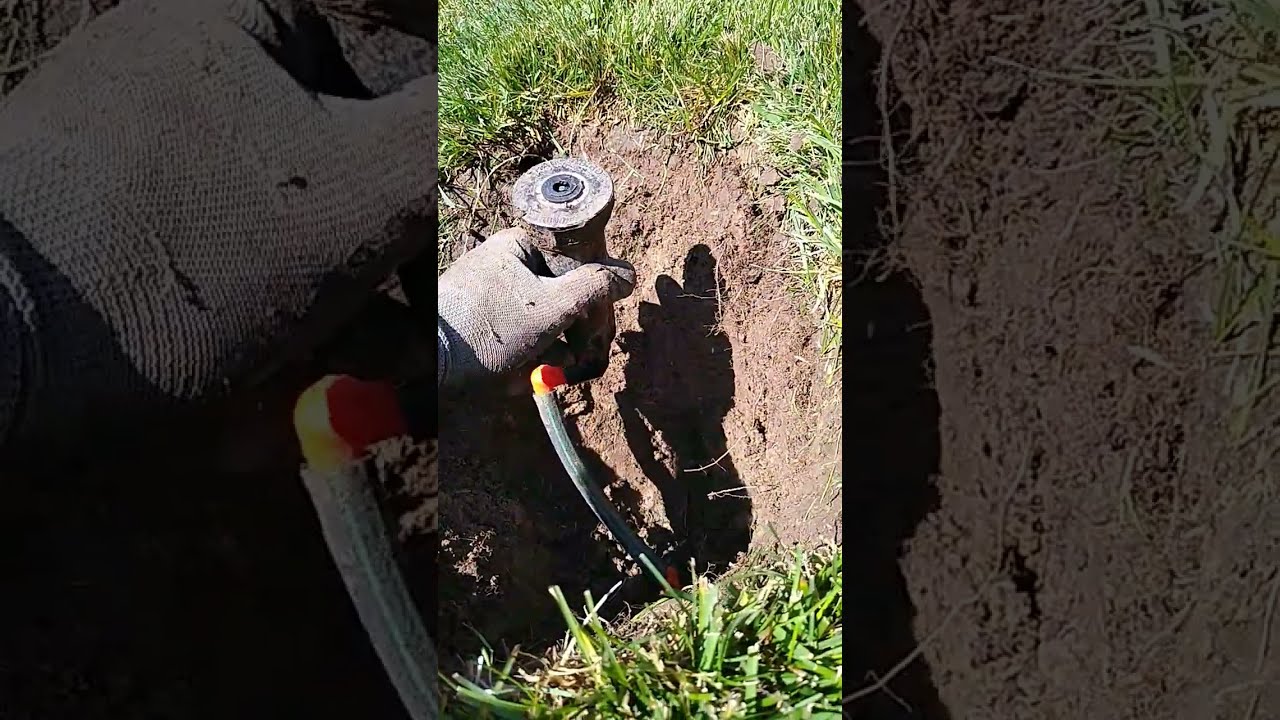
5. Set Up Sprinklers
Install each sprinkler head at the designated spots according to manufacturer instructions.

6. Connect Controller
Finally, connect your irrigation controller following its specific irrigation installation guidelines to complete the setup.
Testing Your New System
Once everything is installed, it's time to test your new residential sprinkler system:
Turn on the water supply slowly. Check each zone individually for proper coverage. Adjust sprinkler heads if necessary for optimal performance. Program your controller based on seasonal requirements.Common Issues with Residential Irrigation Systems
Even with careful planning and installation, issues may arise in any residential irrigation system:
Clogged Nozzles
Over time, nozzles can become clogged with dirt or debris; regular maintenance solves this issue easily!
Uneven Water Distribution
If some areas appear over-watered while others remain dry, consider adjusting heads or adding more sprinklers in under-served zones.
Broken Pipes
Pipes may crack or become damaged due to freezing temperatures; regularly check for leaks during seasonal changes!
FAQs About Residential Sprinkler System Installation
What type of sprinklers should I use?
The type depends on your landscape's needs—consider pop-up sprinklers for lawns and drip systems for gardens!
How much does it cost to install a residential sprinkler system?
Costs vary significantly based on size and complexity but expect anywhere from $2,000-$5,000 on average!
Can I install a residential sprinkler system myself?
Yes! However, hiring professional landscaping and irrigation services ensures optimal performance without headaches!
How often should I water my lawn?
Generally speaking: Twice per week during dry seasons; adjust frequency based on rainfall patterns!
What's better: drip irrigation or traditional sprinklers?
Drip systems deliver water directly at root level—ideal for gardens—while traditional sprinklers cover larger areas more evenly!
Conclusion: Enjoying Your Green Oasis!
Installing a residential sprinkler system not only enhances curb appeal but also simplifies lawn care significantly! With effective planning followed by meticulous execution as outlined in this guide—you're set up for success! Whether tackling this project yourself or relying on local professionals from reputable yard sprinkler companies—your efforts will surely yield beautiful results worth celebrating!
Remember that regular maintenance is key; keep an eye out for common issues like clogging or uneven distribution! By adopting these practices alongside utilizing trusted resources such as lawn irrigation contractors near me—you'll enjoy flourishing greenery year-round while conserving precious water resources effectively! Happy gardening!